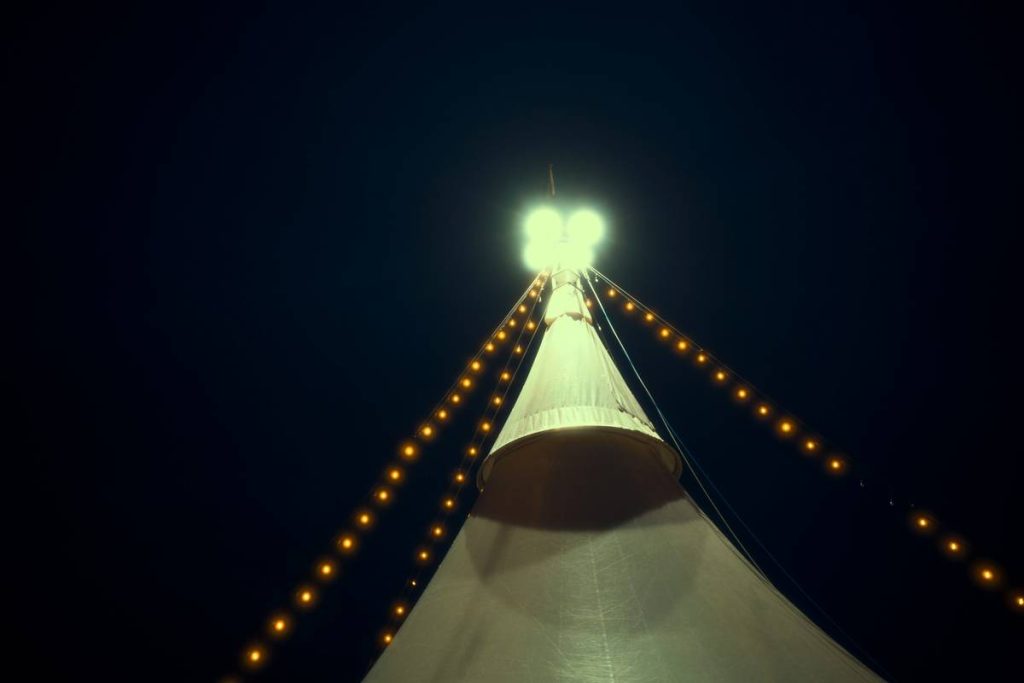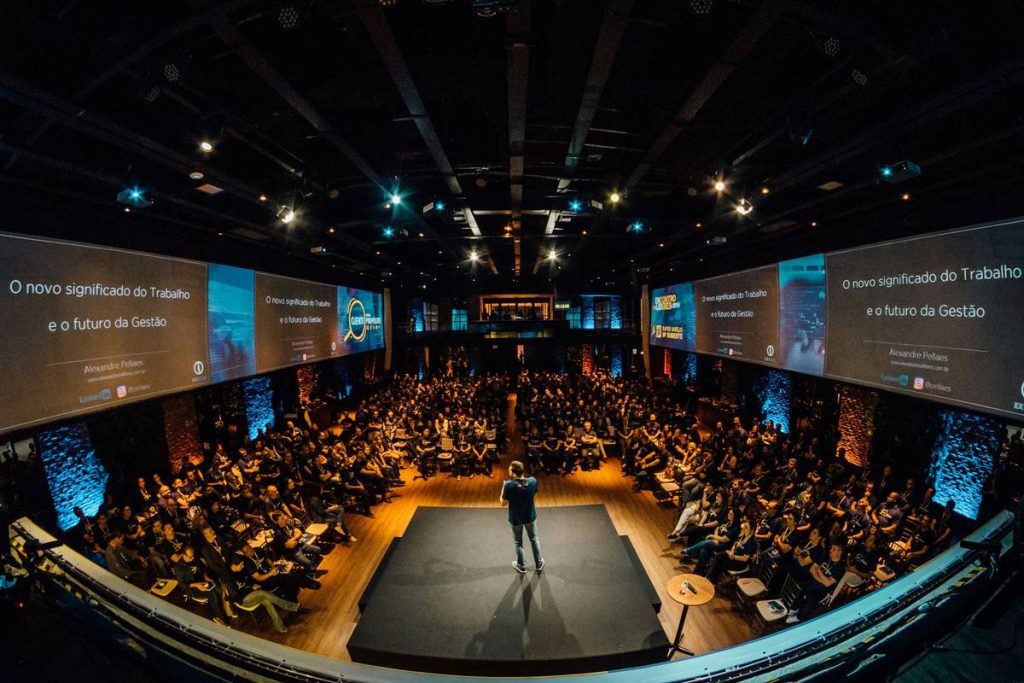
Your event space looks ordinary. Flat. Forgettable. Guests arrive, snap a few photos under dull floodlights, and leave without that “wow” moment you promised yourself—and your clients. Bad outdoor lighting for events doesn’t just kill ambiance; it undermines your entire investment. But here’s the fix: strategic, layered lighting that costs less than you think and delivers tenfold in emotional impact.
Why Most Event Lighting Fails Before Sunset Even Hits
Most planners treat lighting like an afterthought—tossing up a few string lights or renting generic LED par cans. Big mistake. These setups lack depth, create harsh shadows, or worse, induce that dreaded “parking lot” vibe. And battery-powered fairy lights? They flicker out by 9 p.m., leaving you scrambling in the dark. The real issue isn’t gear—it’s approach. Lighting isn’t decoration. It’s storytelling with photons.
How to Design Outdoor Lighting for Events That Actually Wows
Forget one-size-fits-all kits. Real magic happens when you layer light sources intentionally. Start low, build vertically, and control intensity like a cinematographer.
Step 1: Map Zones, Not Just Fixtures
Identify three key zones: arrival path, gathering area, and focal points (like a stage or dance floor). Each demands a different temperature and brightness. Pathways need subtle ground-level guidance—think 2700K bollard lights or solar puck markers. Social zones thrive at 2400–3000K with soft diffusion. Never blast faces with direct overhead beams.
Step 2: Mix Light Sources Like a Pro
Combine ambient, task, and accent lighting. Use rope LEDs along railings for ambient fill. Add gobos or pattern projectors on walls for dynamic texture. Tuck warm-tone spotlights behind foliage to create dappled moonlight effects. This layered method fools the eye into perceiving luxury—even with budget gear.
Step 3: Power Smartly—Without Extension Cord Chaos
Running 200 feet of extension cords across lawns? Dangerous and ugly. Instead, deploy portable power stations or solar generators near clusters. Modern LiFePO4 units quietly run 500W of LEDs for 8+ hours. Bonus: no tripping hazards or last-minute GFCI panic.
| Lighting Method | Average Cost (Per Event) | Battery/Runtime | Atmosphere Score (1–10) |
|---|---|---|---|
| Basic String Lights | $75–$150 | 6–8 hrs (battery) | 4 |
| Layered LED + Projection | $300–$600 | 10–12 hrs (power station) | 9 |
| Professional Truss Rig | $1,500+ | Unlimited (grid) | 8 (but overkill for most) |
| Solar-Powered Accent Kit | $120–$250 | Self-recharging (weather-dependent) | 6 |
The Industry Secret No Vendor Will Tell You
Here’s what rental companies don’t advertise: most event-grade fixtures are over-specified. You rarely need IP65-rated moving heads for a backyard wedding. In fact, many pros quietly repurpose architectural-grade indoor/outdoor fixtures—they’re cheaper, quieter, and easier to rig. One veteran I spoke with swears by repurposed commercial step lights ($45 each) for perimeter definition. They’re waterproof, dimmable, and look custom. The math is simple: spend 60% less on hardware, reinvest in intelligent control (like DMX-over-WiFi), and you’ll outshine competitors using flashy—but soulless—rental rigs.
Frequently Asked Questions
What’s the best color temperature for outdoor event lighting?
Stick to 2400K–3000K. Anything cooler (4000K+) feels clinical. Warm tones enhance skin tones and fabrics—critical for photos and mood.
Can I use indoor string lights outside for events?
Only if rated for damp/wet locations (look for UL Wet Rating). Otherwise, moisture kills them fast—and creates shock risks.
How far in advance should I test outdoor lighting for events?
Test full setup at dusk, 2–3 days pre-event. Nighttime reveals glare hotspots and dead zones daylight hides.